
They are, as researchers and environmental advocates have put it, literally everywhere — in the water you drink, the air you breathe, the food you eat, and very likely in your bloodstream right now. “Forever chemicals,” the informal but increasingly common name for a class of synthetic compounds known as perfluoroalkyl and polyfluoroalkyl substances, or PFAS, have become one of the defining environmental crises of the modern era.
What makes PFAS so alarming isn’t just where they’ve turned up — it’s how they got there, and why getting rid of them is so extraordinarily difficult. These are chemicals engineered to last. And last they do.
Investigative journalist Mariah Blake has examined the story of how PFAS came to contaminate so much of the planet, and the picture that emerges is both deeply troubling and, for many people, surprisingly close to home.
What Are Forever Chemicals and Why Are They So Hard to Escape?
PFAS is an umbrella term covering thousands of individual synthetic chemicals. What they share is a backbone of carbon-fluorine bonds — some of the strongest chemical bonds that exist in nature. This is precisely what makes them so useful industrially, and so devastating environmentally.
Because the carbon-fluorine bond is so difficult to break, PFAS do not degrade the way most substances do. They don’t break down in soil. They don’t break down in water. They don’t break down inside the human body. Once they’re released into the environment — or absorbed into living tissue — they accumulate and persist, potentially for decades or longer. That’s where the name “forever chemicals” comes from. It isn’t hyperbole.
Their durability made them enormously attractive to manufacturers. PFAS repel both water and oil, resist heat, and reduce friction. Over the decades, they found their way into an extraordinarily wide range of products: non-stick cookware, waterproof clothing, food packaging, firefighting foams, stain-resistant carpets, and countless industrial processes. The more useful they proved, the more widely they were deployed — and the more widely they spread.
How Forever Chemicals Spread Across the Planet
The contamination didn’t happen overnight. It accumulated over decades of industrial use, discharge, and disposal — often with little regulatory oversight and, in some cases, with manufacturers aware of the risks long before the public was.
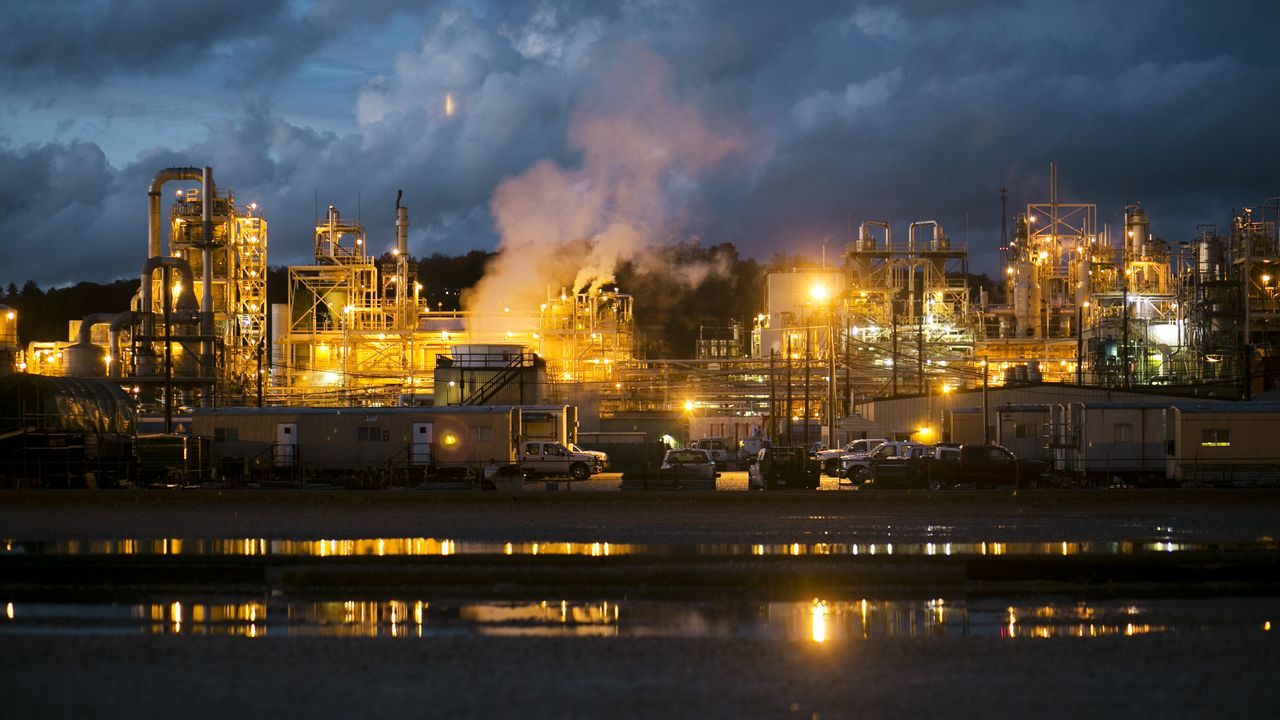
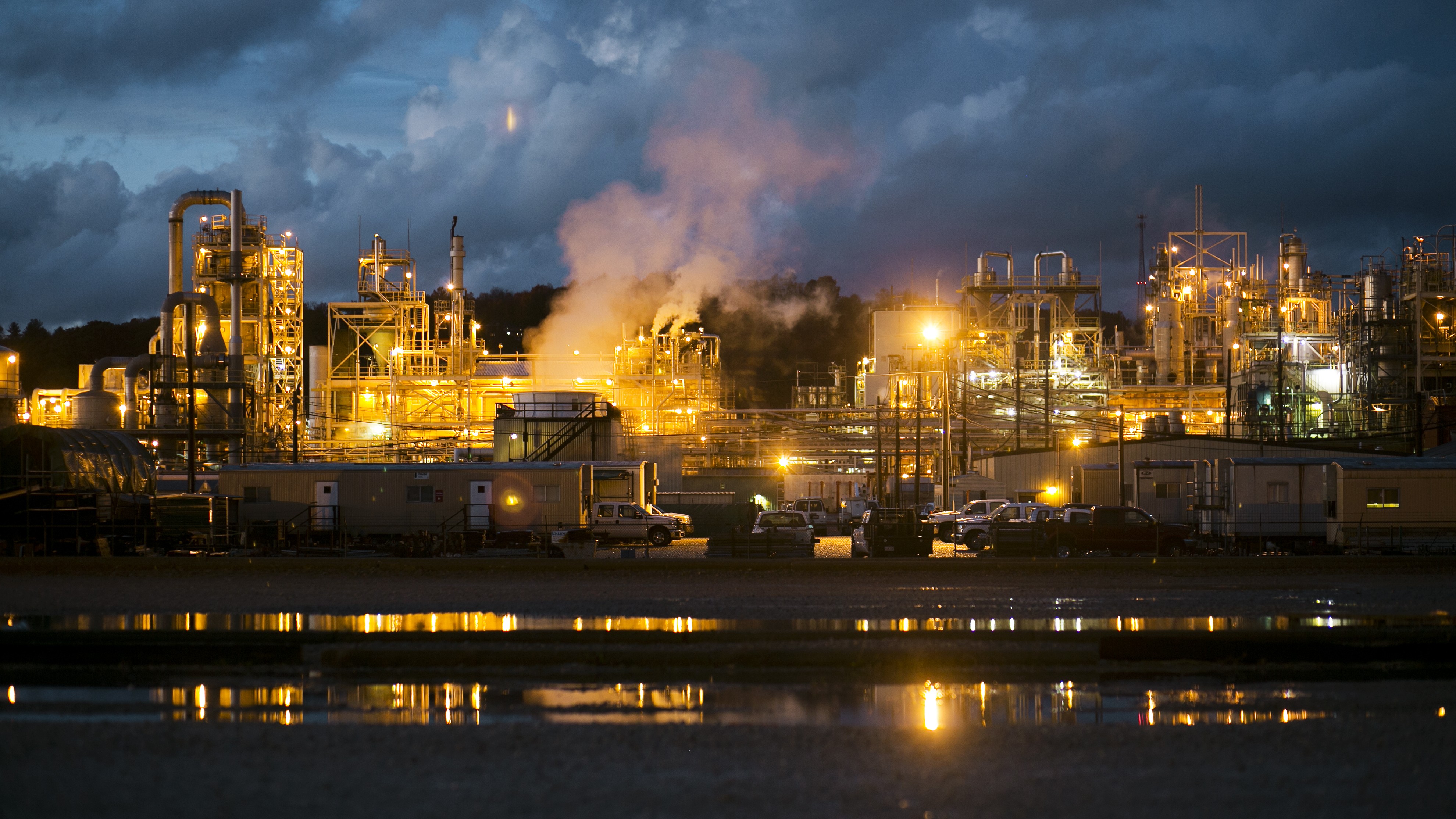
One of the most infamous examples involves the Washington Works DuPont plant in Parkersburg, West Virginia. The facility became a landmark case in the history of PFAS litigation, having discharged enormous volumes of dangerous forever chemicals into the surrounding waters over many years. Communities near such plants have faced some of the most severe and well-documented exposures on record.
But the problem extends far beyond any single facility. Because PFAS are so mobile — carried by water, wind, and the movement of goods across global supply chains — contamination has spread to places with no direct industrial connection to these chemicals whatsoever. Remote Arctic regions, deep ocean sediments, and the bodies of wildlife far from any factory have all tested positive for PFAS compounds.
What the Science Says About the Health Risks
The health picture associated with PFAS exposure is still being actively studied, but what researchers have established so far is concerning enough on its own. PFAS are described by environmental scientists and public health researchers as among the most dangerous pollutants on the planet — a designation that reflects both their toxicity and their ubiquity.
Because these chemicals are so widespread and so persistent, exposure is essentially universal in many parts of the world. They have been detected in human blood, breast milk, and organs across populations that have had no known direct contact with industrial PFAS sources.
| Key Characteristic | What It Means |
|---|---|
| Carbon-fluorine bond strength | Makes PFAS nearly impossible to break down naturally |
| Environmental persistence | PFAS do not degrade in soil, water, or living tissue |
| Bioaccumulation | Chemicals build up over time in the bodies of humans and animals |
| Industrial versatility | Used in thousands of consumer and industrial products globally |
| Geographic spread | Detected in remote regions with no direct industrial exposure |
Who Is Most at Risk — and Why This Affects Everyone
While communities located near manufacturing plants, military bases that used PFAS-containing firefighting foam, and industrial discharge sites face the highest direct exposures, the reality is that no population is entirely insulated from PFAS contamination at this point.
The chemicals have entered drinking water systems, agricultural soil, and food supplies across wide areas. People who have never lived near an industrial facility, never worked in a relevant industry, and never knowingly used a product with PFAS have still been found to carry detectable levels of these compounds in their bodies.
This is what makes PFAS fundamentally different from many other environmental pollutants. The contamination isn’t localized. It isn’t a problem that affects only certain communities in certain places. It is, as researchers and advocates have repeatedly emphasized, a global problem — and one that will not resolve itself simply through cleaner manufacturing practices going forward, because the chemicals already released will remain in the environment for the foreseeable future.
What Happens Next in the Fight Against PFAS
Awareness of the PFAS crisis has grown substantially in recent years, driven in part by investigative journalism, scientific research, and high-profile legal cases like those involving the DuPont plant in West Virginia. Regulators in multiple countries have begun taking steps to restrict or phase out certain PFAS compounds, and litigation against manufacturers has expanded significantly.
But the scale of the challenge remains staggering. With thousands of individual PFAS compounds in existence, many of them still in active use, and contamination already embedded in water systems and soil across the globe, addressing the crisis will require sustained effort across science, regulation, and industry for years — possibly generations — to come.
For now, researchers continue to study the full extent of the health impacts, regulators continue to debate standards and timelines, and communities living with contaminated water continue to wait for answers.
Frequently Asked Questions
What does PFAS stand for?
PFAS stands for perfluoroalkyl and polyfluoroalkyl substances — a broad class of thousands of synthetic chemicals sharing a strong carbon-fluorine bond structure.
Why are PFAS called “forever chemicals”?
The nickname comes from the fact that PFAS do not break down in the environment or in the human body, meaning they persist indefinitely once released.
Which plant became notorious in PFAS litigation history?
The Washington Works DuPont plant in Parkersburg, West Virginia, is one of the most infamous examples, having discharged large volumes of PFAS into surrounding waters over many years.
Are all people exposed to PFAS, even those far from industrial sites?
Research indicates that PFAS contamination is effectively global, with detectable levels found in human blood and tissue across populations with no direct industrial exposure.
What products commonly contain PFAS?
PFAS have been widely used in non-stick cookware, waterproof clothing, food packaging, stain-resistant carpets, and industrial firefighting foams, among many other applications.
Is there a way to remove PFAS from the body?




Leave a Reply